Tickets Sintra

Discover the Majestic Monserrate Palace: Your Ultimate Guide

What is Monserrate Palace?

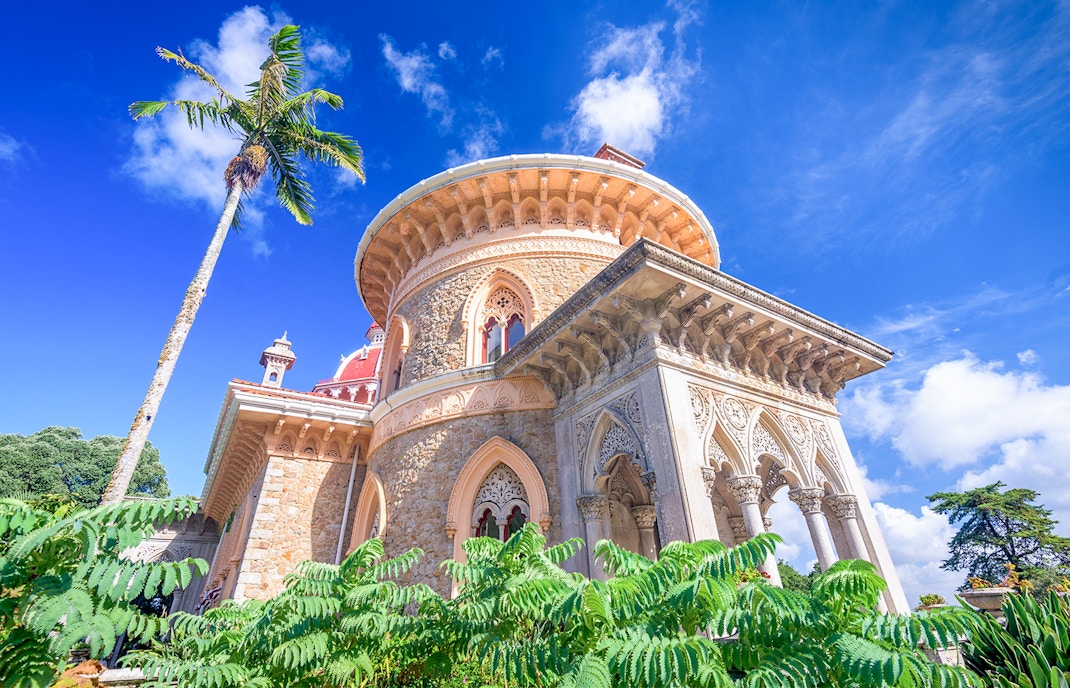
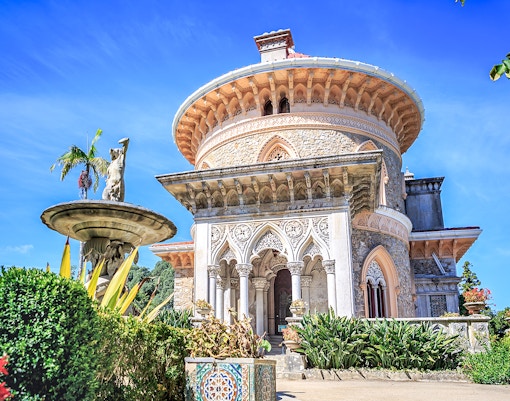
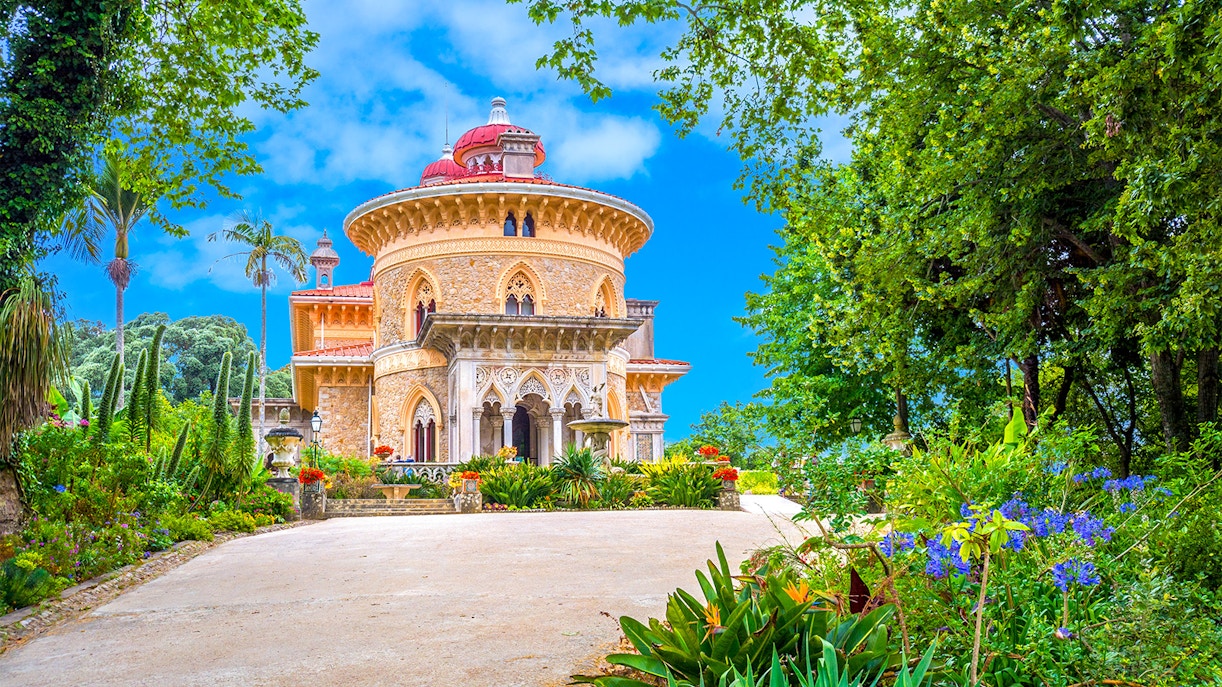
Nestled within the enchanting town of Sintra, Portugal, Monserrate Palace stands as a testament to the fusion of architectural grandeur and botanical beauty. This remarkable estate, a jewel in Sintra's crown of historic treasures, is a captivating synthesis of Neo-Gothic, Neo-Renaissance and Neo-Islamic architectural styles. Join us on a journey to explore the resplendent Monserrate Palace and discover the stories it holds within its walls and amidst its lush greenery.

Quick Facts about Monserrate Palace

Monserrate Palace
  • Official name: Palácio de Monserrate
  • Location/Address: 2710-405 Sintra, Portugal 
  • Date of opening: 1858
  • Timings: 9:30 AM to 6:00 PM
  • Architect: James Thomas Knowles
  • Architectural style: Eclecticism
  • UNESCO World Heritage Site: Since 1995
  • Function: Palace

Plan Your Visit to Monserrate Palace

What Are the Monserrate Palace Opening Hours?

Monserrate Palace is open every day of the week.

  • Timings: 9:30 AM to 6:00 PM
  • Closed: 25th December and 1st January
  • Best time to visit: May through September

Where Is Monserrate Palace Located?

Address: 2710-405 Sintra, Portugal

Find on Map

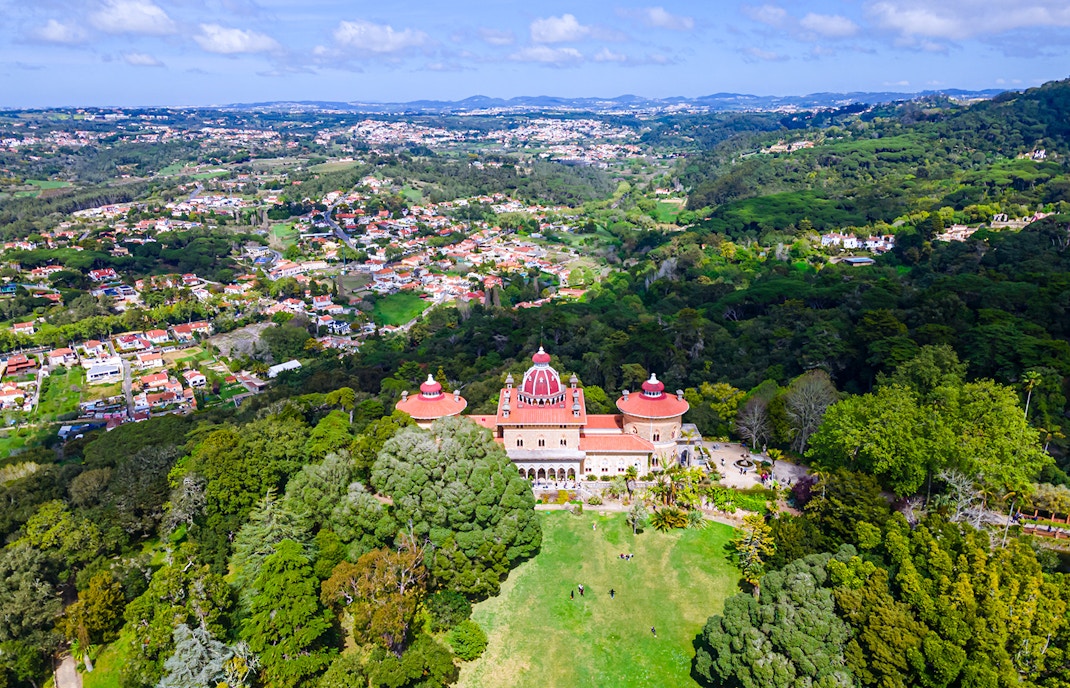
Monserrate Palace is located in the green and lush landscapes of Sintra's captivating mountains, offering a serene and historically rich destination within easy reach of Lisbon.

Nearest Train Station: Sintra, 6.1 km away

Nearby Landmarks: Pena Palace, Quinta da Regaleira

Monserrate Palace Highlights

Neo-Gothic Architecture

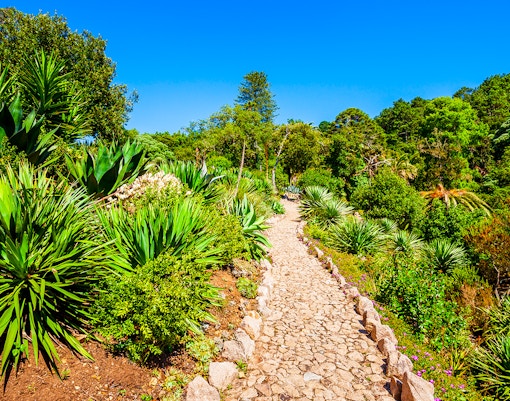
With the idea of merging it with the natural surroundings and hilly topography, it was created with an intricate network of paths, bridges, and viaducts throughout the property. It also has a web of small pathways and shortcuts that were meant for people on foot. Walk on one of these to experience the charm of this 19th Century park.

Exotic Gardens and Greenhouses

The palace is renowned for its lush gardens and botanical diversity. Visitors can explore a series of gardens that showcase plant species from around the world. The striking greenhouse, with its iron and glass structure, is a botanical wonder, housing an array of exotic plants that thrive in the mild Sintra climate.

The Romantic Era Influence

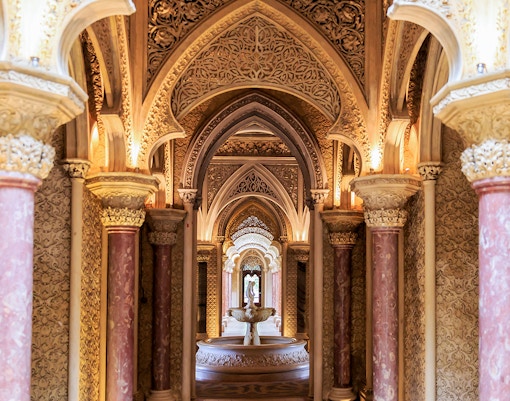
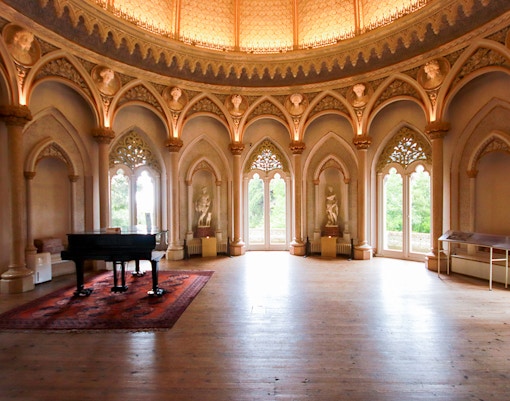
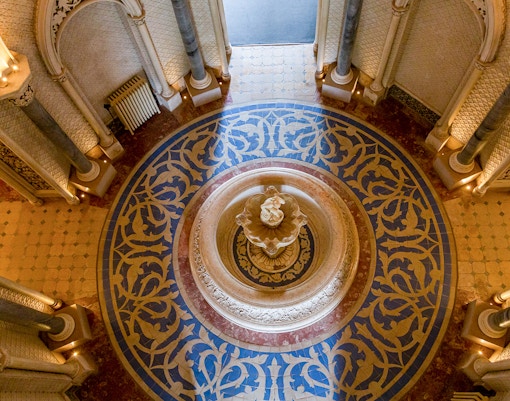
Step into the Romantic Era as you wander through the palace's lavishly decorated rooms. The interior design, inspired by the Romantic movement, features rich colours, ornate furnishings, and intricate details that offer a glimpse into the opulent lifestyle of the 19th century.

Enchanted Water Features

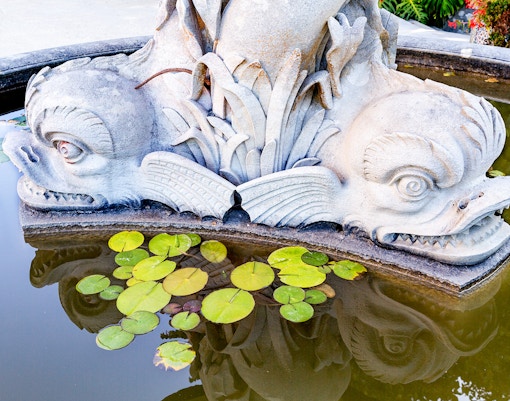
One of the palace's enchanting features is its water gardens. Meandering pathways lead visitors past picturesque ponds, serene fountains, and babbling brooks. The soothing sound of flowing water adds to the tranquil atmosphere.

Moorish Revival

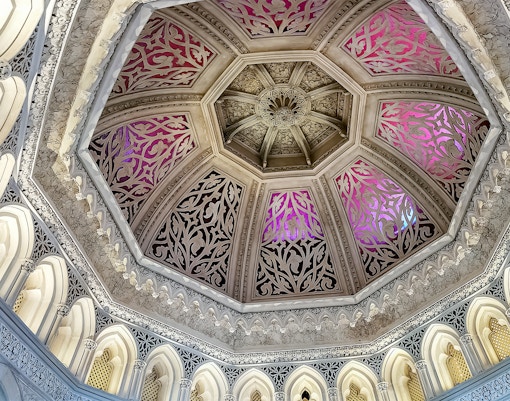
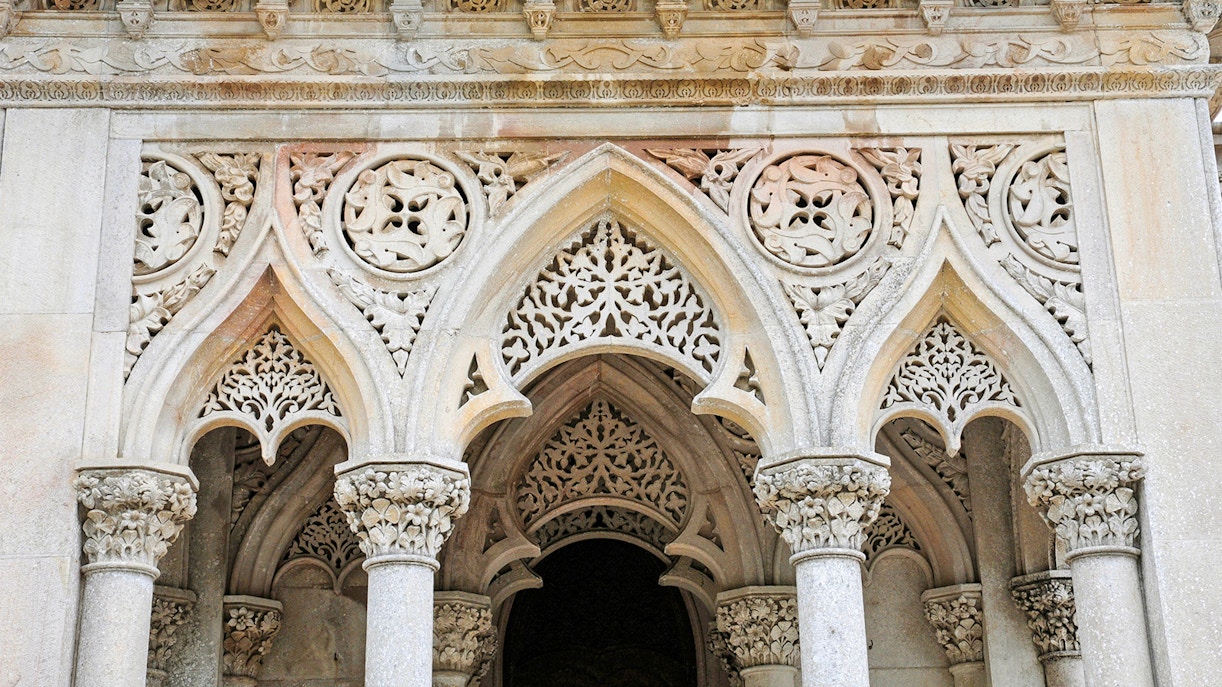
The palace's Neo-Islamic elements are a testament to the Moorish Revival architecture of the 19th century. The striking dome and intricate tilework create a sense of exoticism and cultural fusion that sets Monserrate apart.

Panoramic Views

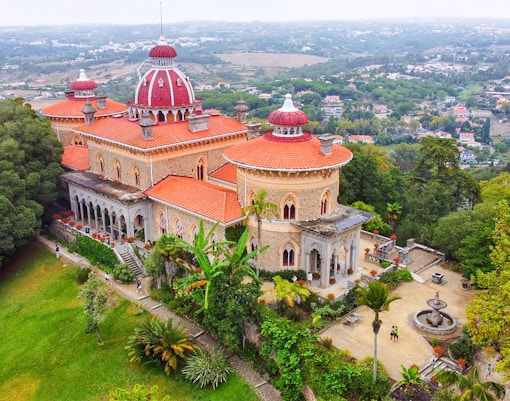
Perched on a hillside, Monserrate Palace offers breathtaking panoramic views of the surrounding Sintra Mountains and the lush, green landscape below. The vista from the palace provides a stunning backdrop for memorable photos.

Historical Significance

Explore the historical significance of Monserrate, which once served as a chapel and later a royal farm. Its transformation into the palace we see today is a testament to its enduring cultural and architectural importance.

Cultural Events and Exhibitions

Monserrate Palace often hosts cultural events and exhibitions, offering visitors the chance to immerse themselves in the arts and history. Check the event calendar to see if there are any special exhibitions or performances during your visit.

History of Monserrate Palace in a Nutshell

Monserrate Palace’s origins can be traced back to the 16th century when it was a simple chapel serving the local community. In the 18th century, it transitioned into a royal farm.

However, the most transformative period in its history occurred in the 19th century. In 1856, Sir Francis Cook, an English merchant, acquired the property and embarked on an ambitious project to create the Neo-Gothic and Neo-Islamic masterpiece we see today. He enlisted the talents of architect James Knowles Jr. to bring his vision to life. The result was a palace that harmoniously blended architectural styles from different cultures, featuring pointed arches, intricate tilework, and lush gardens.

Monserrate Palace's restoration in the 20th century preserved its historical and architectural significance, making it a cherished cultural gem that continues to enchant visitors from around the world with its captivating beauty and rich history.

Who Built Monserrate Palace?

Monserrate Palace's architecture is attributed to the vision of James Thomas Knowles, the British architect responsible for its design in the 19th century. Under his skilled direction, the palace emerged as a masterpiece that seamlessly blended Neo-Gothic, Neo-Renaissance and Neo-Islamic influences. Knowles's innovative approach transformed the estate, incorporating exotic elements and intricate details into the architecture, resulting in a captivating and harmonious synthesis of styles that continues to awe and inspire visitors to this day.

Architecture of Monserrate Palace

Monserrate Palace

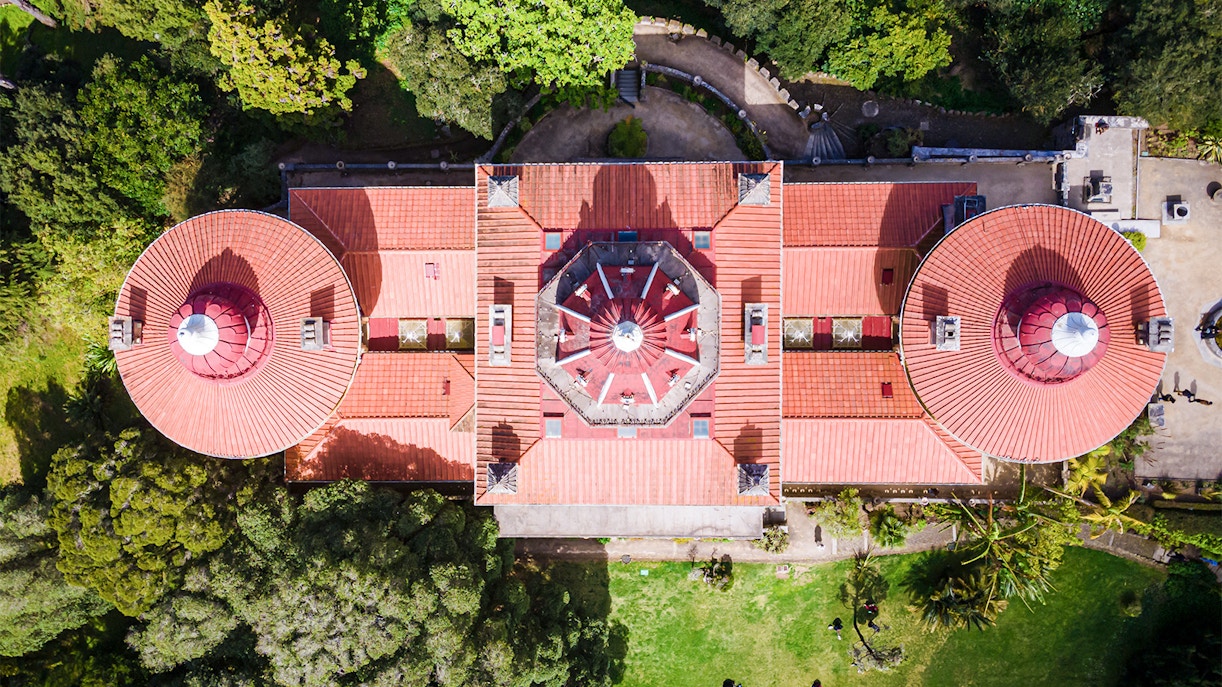
Monserrate Palace is a splendid exemplar of architectural eclecticism, a style that draws inspiration from a diverse array of influences. This Neo-Gothic masterpiece, designed by architect James Thomas Knowles in the 19th century, captivates with its harmonious fusion of architectural elements.

The palace's facade is a stunning testament to eclecticism, featuring pointed arches, intricate tracery, and delicate stonework reminiscent of the Neo-Gothic style. Inside, the influence of the Romantic Era is evident in the richly adorned rooms, where opulent furnishings and vibrant colours transport visitors to a bygone era.

Monserrate Palace As A World Heritage Site

Monserrate Palace

The designation of Monserrate Palace as a UNESCO World Heritage Site in 1995 underscores its global cultural significance. This recognition highlights its role as an architectural and historical gem, contributing to worldwide appreciation of art and history. The status also promotes its preservation, subjecting it to stringent conservation guidelines.

As a UNESCO site, it draws visitors from across the globe, fostering cultural exchange and providing educational value. Furthermore, it encourages research and scholarly exploration, deepening our understanding of its rich heritage. Monserrate Palace's UNESCO recognition enhances its appeal as a destination where beauty and cultural significance converge.

Frequently Asked Questions About Monserrate Palace in Sintra

Monserrate Palace is a historic estate located in Sintra, Portugal, renowned for its stunning Neo-Gothic and Neo-Islamic architecture, lush gardens and botanical diversity. It's a cultural treasure that offers visitors a glimpse into the opulent lifestyle of the 19th century.